
Climate change not only threatens dry and warm regions, but also affects Finland's water resources. Although our country is known for its clean and abundant water, the increase in extreme weather events, changes in rainfall patterns, and periods of drought may impair the quality and availability of drinking water.
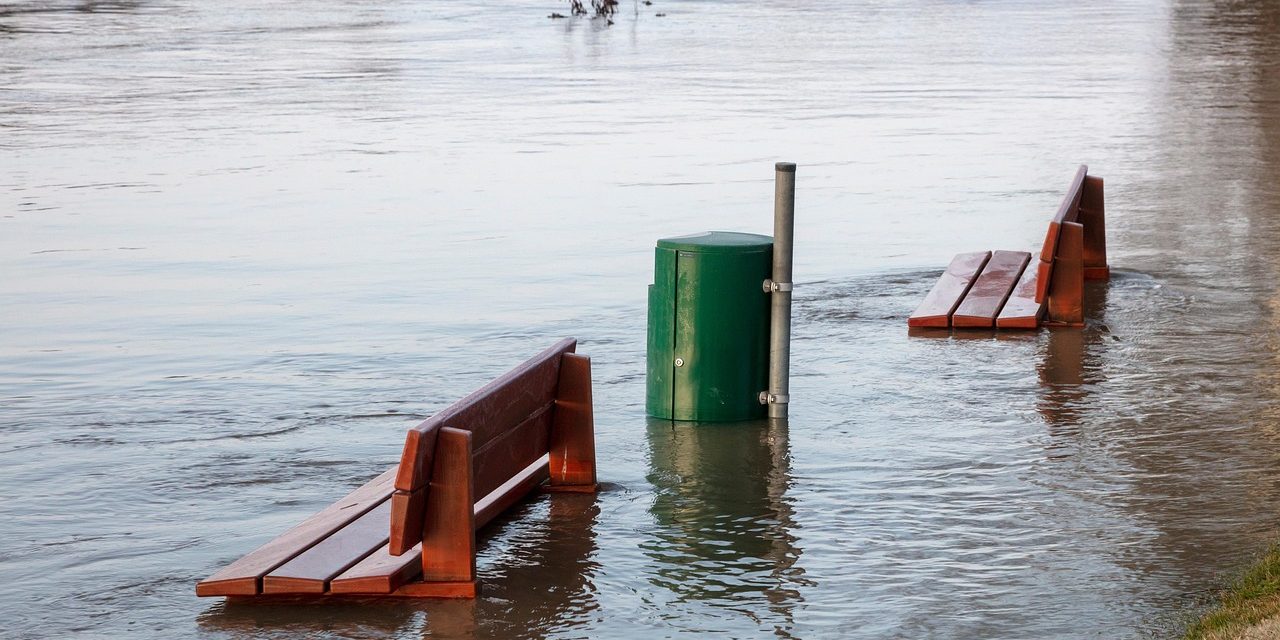
In recent years, it has been observed in Finland that rainfall is increasingly replacing snowfall and that heavy rainfall has intensified. This increases surface runoff, which carries nutrients, microbes, and harmful substances from the soil into waterways and groundwater areas. Floods can overload water treatment plants, increase turbidity, and make water disinfection more difficult.
At the same time, long dry spells and heat waves can lower groundwater levels and reduce water availability, especially in areas where reserves are limited. Drought can also alter the chemical properties of water: for example, an increase in organic matter and water color makes water treatment more difficult, and the risk of algal blooms increases in eutrophic waterways.
In Finland, restricting water use still seems like a distant prospect, but the effects are already becoming apparent nearby. In August 2025, water use had to be restricted in the Swedish capital Stockholm when the temperature of Lake Mälaren rose so high that raw water could not be purified into drinking water in the usual quantities. The message is clear: water may be available, but its safe use can no longer be taken for granted.
The Vesivara project strengthens water supply security in Satakunta
In Satakunta, these challenges are being addressed by the Vesivara project (translates roughly to WaterReserve or SpareWater), which is developing new operating models and technological solutions to secure clean drinking water. The project is coordinated by the Pyhäjärvi Institute, in collaboration with Prizztech Oy and the WANDER Research Center at Satakunta University of Applied Sciences, which is responsible for the work package dealing with domestic water.
The WANDER Research Center is investigating the adequacy and quality of raw water, assessing preparedness for water supply disruptions, and identifying future risk factors. Particular attention is being paid to water cooperatives and private wells, where water quality may be more sensitive to changes. At the same time, methods and technologies for improving water treatment are being developed to help manage the microbiological and chemical quality of water in a cost-effective manner.
The project also examines the management and maintenance of water networks. Smart monitoring systems, water consumption optimization, and new purification methods, such as solutions for microplastic removal and disinfection, are key areas of development.
Practical solutions and pilots
The methods developed in the Vesivara project are being tested in practice in various parts of Satakunta, including the Eurajoki river basin. The pilots are used to evaluate the functionality, cost-effectiveness, and suitability of the solutions for wider use.
The result will be new water treatment technologies, improved risk management, and closer cooperation between water utilities, companies, and research institutes. In the long term, the project will strengthen Satakunta's water security and crisis resilience in the face of climate change.
Building future water security now
Finland's water supply is of a high international standard, but the changing climate requires proactive adaptation and long-term planning. The aim of the Vesivara project is to ensure that there is sufficient clean drinking water in all situations in Satakunta – and more broadly throughout Finland.
By strengthening water supply preparedness, developing technical solutions, and increasing cooperation between different actors, water quality and availability can be secured even in the changing conditions of the future.